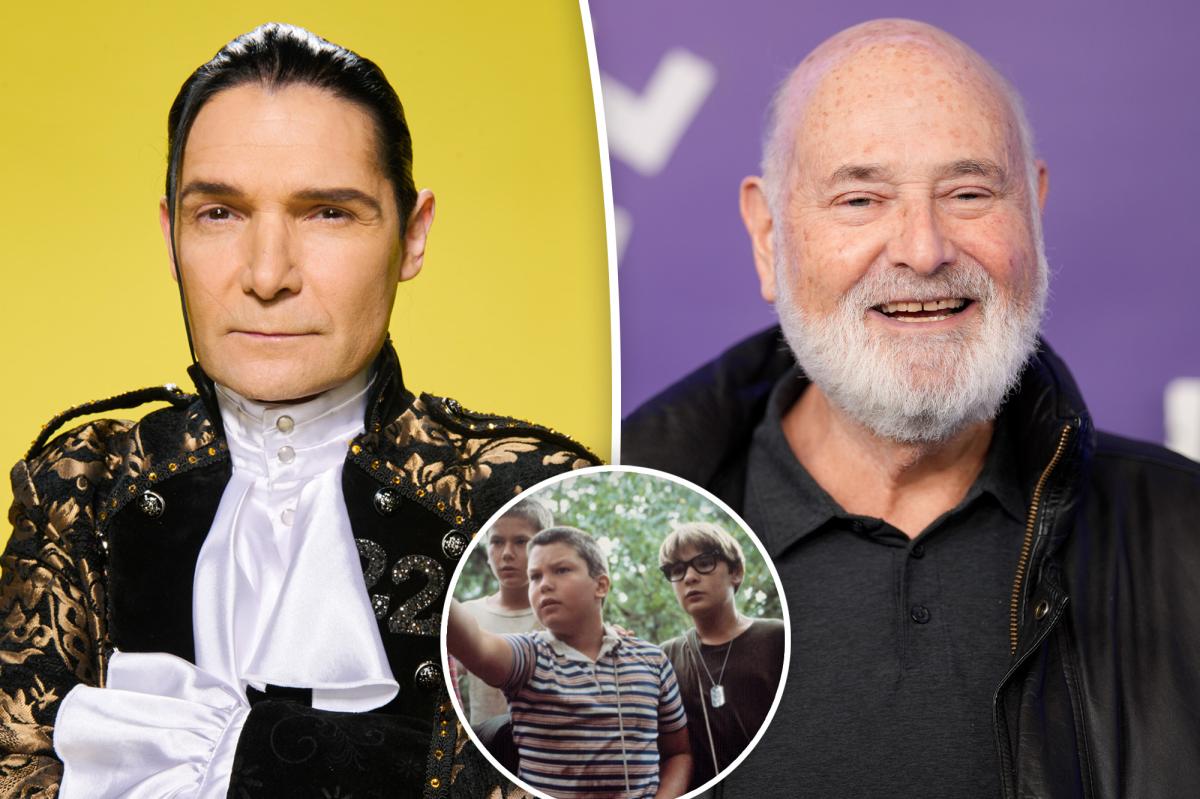
Corey Feldman Devastated: Left Out of Rob Reiner Tribute
Hollywood is a place of grand tributes and glittering celebrations, but beneath the surface, personal heartbreaks often unfold. As the entertainment world prepares for the 98th Academy Awards on March 15th, a planned homage to the legendary director Rob Reiner has become the focal point of a deeply distressing situation for one of his most iconic collaborators. Corey Feldman, the unforgettable Teddy Duchamp from Reiner’s beloved coming-of-age classic Stand by Me, has reportedly been excluded from the tribute lineup, leaving him utterly devastated. This omission, particularly when his former child co-stars are invited, has sent ripples of dismay through fans and industry insiders alike, casting a somber shadow over what should be a moment of collective remembrance and honor for an irreplaceable talent.
The planned tribute aims to celebrate Rob Reiner's profound impact on cinema, a legacy that spans decades and includes directing masterpieces like When Harry Met Sally…, The Princess Bride, and the aforementioned Stand by Me. However, the decision to leave out Feldman, a vital part of Reiner's cinematic history, has sparked a conversation about inclusivity, recognition, and the often-complex relationships within Hollywood. The situation is further compounded by the tragic circumstances surrounding Reiner’s passing, adding a layer of poignant urgency to the desire for a truly comprehensive and respectful send-off.
The Heartbreaking Exclusion from a Hollywood Homage
The news, initially reported by the Daily Mail, details an Oscars tribute designed to honor Rob Reiner's immense contributions to film. The guest list for this prestigious event reportedly includes some of Hollywood's most cherished names. From Reiner’s iconic romantic comedy, When Harry Met Sally…, stars Meg Ryan and Billy Crystal are expected to participate, their presence a testament to the enduring charm and wit of that film. Also slated to appear are Jerry O’Connell and Wil Wheaton, Feldman’s fellow child actors from the 1986 classic Stand by Me.
It is the absence of Corey Feldman, however, that has become the most glaring and painful point of contention. As Teddy Duchamp, Feldman delivered a performance that was both raw and memorable, embodying the angst and bravado of childhood in a way that resonated deeply with audiences. "One person currently left off is Corey Feldman, and Corey is devastated that he hasn’t been asked to be part of the tribute," a source close to the situation revealed. "He loved Rob and expected to be asked, especially since Jerry and Wil were asked."
The sting of this alleged snub is intensified by the close bond shared by the three young actors during the filming of Stand by Me. Their on-screen chemistry was a cornerstone of the film's success, a portrayal of friendship that felt authentic and deeply moving. To have two-thirds of that iconic trio included while the third is conspicuously absent feels like a profound oversight, if not an intentional slight. For Feldman, whose career has often been marked by its own share of challenges and triumphs, this exclusion from a corey feldman tribute to a mentor and colleague is more than just a missed opportunity; it’s a deeply felt personal rejection.
The Unanswered Questions and the Academy's Silence
The aftermath of Feldman's alleged exclusion has been met with a frustrating wall of silence from the Academy. According to reports, Feldman and his former Stand by Me co-stars have collectively reached out to the Academy, seeking an explanation for this baffling decision. Yet, their pleas have been met with "radio silence," leaving them and the public to speculate on the reasons behind such a significant omission. This lack of transparency only exacerbates the hurt, turning a potentially joyous occasion into one fraught with unanswered questions and lingering resentment.
The Academy's silence is particularly puzzling given the high-profile nature of the event and the public's awareness of Feldman's role in Reiner's filmography. In such sensitive situations, clear communication is paramount. One might wonder if there are underlying reasons for the exclusion – perhaps past controversies, perceived industry politics, or simply an unfortunate oversight in the planning process. However, without official word, any speculation remains just that, leaving Feldman in an emotionally vulnerable position. "The night should be about Rob and honoring him," an insider emphasized. "Corey wants nothing more than to honor Rob, and the fact that he currently isn’t allowed is an absolute slap in the face." This sentiment underscores the core issue: Feldman's genuine desire to pay respects to a man who significantly impacted his life and career, now unjustly denied.
From a public relations perspective, the Academy's approach risks tarnishing the very tribute it aims to create. An homage to a beloved director should ideally bring together all who were touched by his work, fostering a sense of unity and shared appreciation. The exclusion of a prominent figure like Feldman, especially when others from the same seminal film are included, introduces an unnecessary note of discord. It raises questions about how such tributes are curated and whether the personal feelings of all key contributors are given due consideration. Transparency and empathy are crucial when honoring a legacy, and the current situation suggests a potential misstep in both areas. For more insights into the Academy's decision, you might be interested in our deep dive, Oscars Snub: Why Corey Feldman Missed Rob Reiner Tribute.
Remembering Rob Reiner: A Legacy Tarnished by Tragedy
Rob Reiner's directorial catalog is a masterclass in versatility and storytelling. Beyond Stand by Me and When Harry Met Sally…, he helmed the fantastical adventure of The Princess Bride, the chilling adaptation of Stephen King's Misery, the courtroom drama A Few Good Men, and the political satire The American President, among many others. His films consistently showcased his ability to elicit powerful performances, craft compelling narratives, and touch the hearts of audiences worldwide. A tribute at the Oscars is undeniably a fitting honor for such a prolific and celebrated filmmaker.
However, Reiner’s remarkable career ended in unspeakable tragedy. On December 14th, Rob Reiner and his wife, Michele Singer Reiner, were found in their California home with fatal stab wounds. The shocking news sent a wave of grief and disbelief across Hollywood and beyond. Their 32-year-old son, Nick Reiner, has since been charged in connection to their deaths. Details emerging from the investigation paint a grim picture, with reports suggesting an argument between Rob and Nick Reiner at a holiday party hosted by Conan O’Brien shortly before the tragic incident.
Nick Reiner, who reportedly has a history of mental illness and substance abuse, was located and arrested hours after his parents' bodies were discovered. Initially represented by high-profile attorney Alan Jackson, Nick Reiner's legal journey saw Jackson withdraw from the case, leading to the appointment of a public defender who entered a plea of not guilty on his behalf in February. The profound sorrow surrounding Reiner's death makes the planned Oscar tribute all the more significant, yet it also amplifies the emotional weight of any perceived slight, such as the exclusion of Corey Feldman, from such a solemn and important commemoration.
More Than a Snub: The Ripple Effect on Fandom and Legacy
The exclusion of Corey Feldman from the Rob Reiner tribute is more than just a personal slight; it has a tangible ripple effect on the perception of the event and Reiner's legacy itself. Fans of Stand by Me, a film cherished by generations for its authentic portrayal of friendship and the bittersweet passage from childhood to adolescence, are expressing their disappointment. For many, Feldman’s Teddy Duchamp is an indelible part of that cinematic memory, and his absence diminishes the completeness of any homage to the film's director.
Such decisions by major institutions like the Academy send a powerful message, not just to the individuals involved, but to the entire creative community. It raises questions about how Hollywood values its talent, particularly those who have navigated complex careers or personal struggles. Inclusive tributes are vital for honoring a legacy in its entirety, acknowledging every significant contribution to a director's body of work. A more empathetic and transparent approach could have mitigated much of the current heartache. Even if direct stage participation wasn't feasible, a simple explanation or an alternative form of acknowledgment could have made a world of difference for Feldman and avoided this public controversy. The exclusion also casts a shadow on what could have been a heartwarming Stand By Me Reunion Missed: Feldman Excluded from Reiner Tribute.
Ultimately, the goal of any tribute is to celebrate, unify, and reflect. When a key figure feels ostracized, it detracts from the intended purpose. The Academy, as a custodian of cinematic history, has an opportunity to reflect on such situations and consider how best to ensure that future tributes are as comprehensive and respectful as possible, truly embodying the spirit of appreciation for all who contributed to the magic of film.
Conclusion
The story of Corey Feldman’s exclusion from the Rob Reiner tribute at the 98th Academy Awards is a poignant reminder of the complexities inherent in Hollywood’s grand gestures. While the industry prepares to honor a directorial titan whose work shaped countless cinematic memories, the personal anguish of an actor wanting to pay his respects casts a noticeable shadow. Feldman's devastation, fueled by the Academy's silence and the inclusion of his former co-stars, underscores the deep emotional bonds formed on film sets and the lasting impact of perceived slights. As we remember Rob Reiner’s extraordinary legacy, tragically cut short, one hopes that moments of celebration can truly encompass all who played a part in his indelible journey, fostering unity rather than discord, and allowing every voice to contribute to a collective and heartfelt farewell.